Should You Buy Off-the-Shelf Software or Build Your Own in AEC?
In the AEC industry, software decisions are rarely neutral. Choosing a tool does not just affect productivity; it reshapes workflows, data ownership, coordination models, and long-term operational costs.
Not to mention that in most projects you might be not only affecting your company many other stakeholders involved in the project like Architects, Engineers, Gc’s, subs, etc.
Yet one question continues to surface across firms of all sizes: should you buy off-the-shelf software or invest in building a custom solution?
Why ROI Must Be the First Filter in AEC
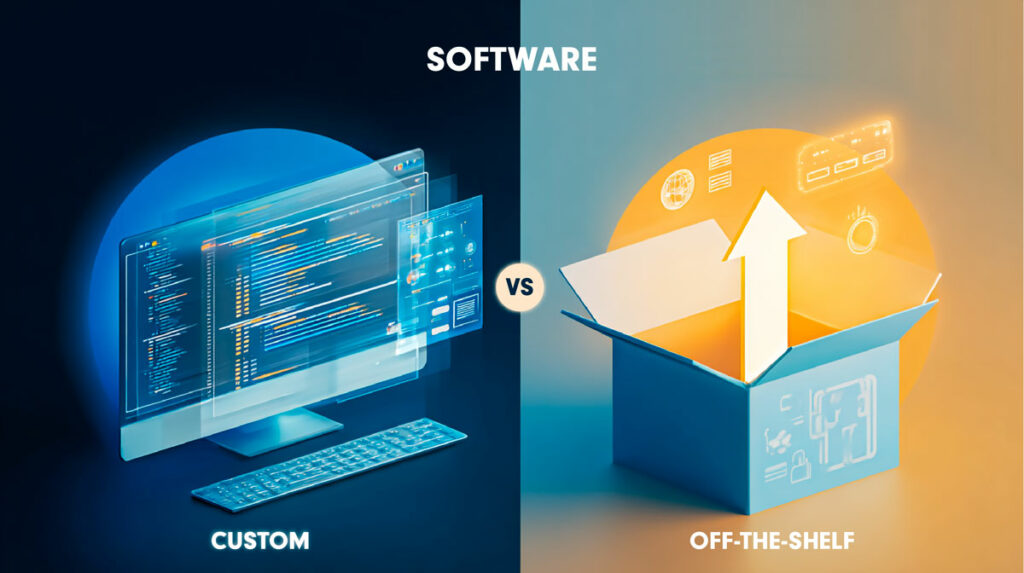
There is no universal answer to whether off-the-shelf or custom software is the right choice, but a common mistake in AEC is making decisions based on features or trends instead of return on investment.
In an industry with thin margins and finite projects, ROI determines whether a tool creates value or becomes an ongoing cost.
Because work is project-based, time savings only matter if they are repeatable across teams or projects.
A complex solution used once rarely pays off, while a small automation used daily can deliver far greater returns. Scale and frequency of use matter more than technical sophistication.
Looking at ROI also forces discipline. It shifts the conversation from what is possible to what is economically justified, making the decision between buying and building clearer and more defensible.

The Real Cost of Off-the-Shelf Software
When evaluating off-the-shelf software, the costs are usually clear upfront.
Licenses in the AEC ecosystem commonly range between USD 1,500 and USD 4,000 per user per year, and that is before factoring in onboarding, configuration, training, and the inevitable productivity dip during adoption.
For a mid-sized firm with forty users, a single tool can easily exceed USD 100,000 annually.
To justify that expense, the software must consistently save thousands of hours per year across teams.
In practice, many tools barely break even in the first year and only become profitable if adoption is sustained and processes align well with what the software expects.
Why Custom Software Looks Expensive at First
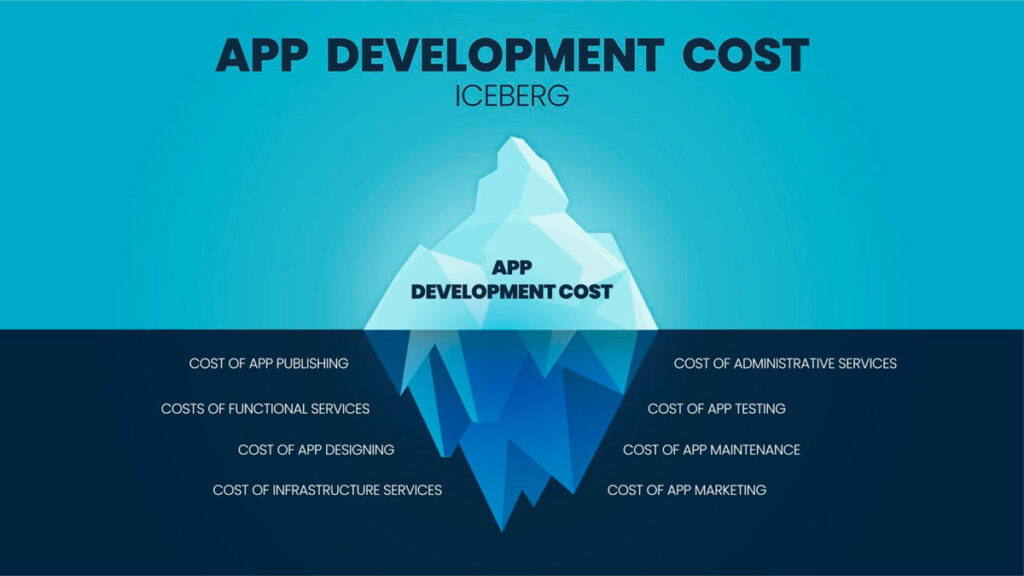
Custom software, on the other hand, usually looks more expensive at first glance.
A well-built Revit add-in, internal platform, or data pipeline can easily require an initial investment between USD 30,000 and USD 150,000, with ongoing maintenance typically landing between 15% and 25% of the original cost per year.
The difference is that custom solutions can generate leverage if they are reused at scale.
When a solution is deployed across dozens or hundreds of projects, the ROI curve changes dramatically, and breakeven often happens within two to three years.
The danger is assuming that every internal problem deserves a custom platform, which is rarely true.
The One Exception Where Custom Wins Immediately
In most cases, custom software is more expensive than off-the-shelf alternatives, and this is something that should be stated clearly.
The only real exception is very small, tactical automation. In AEC, this often takes the form of Dynamo scripts, Grasshopper definitions, lightweight Python tools, or narrow Revit macros built to solve a specific problem on a specific project.
These tools are fast to develop, cheap to maintain, and often deliver immediate value.
For a single project, a rough Dynamo script built in a few days is frequently a better decision than a polished Revit add-in or a web application that will never be reused.

How Scale Completely Changes the Equation
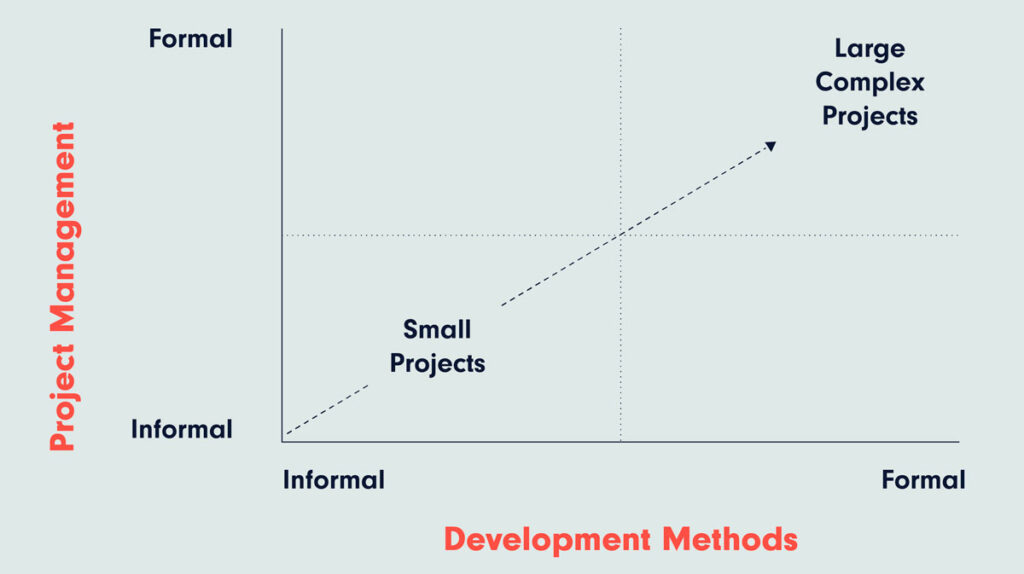
Scale is where the decision truly pivots. A solution intended for one project behaves very differently from a solution intended for hundreds or thousands.
- For limited use, speed and pragmatism matter more than architecture, documentation, or long-term maintainability.
- For large-scale use, the opposite is true. What starts as a “quick fix” becomes technical debt, manual steps turn into operational risk, and undocumented logic becomes a bottleneck when key people leave.
- At scale, software must be robust, versioned, auditable, and supported, and this is where either strong commercial tools or well-architected custom systems make sense.
Process Fit Versus Process Change
Another fundamental difference between off-the-shelf and custom solutions lies in how they relate to process.
Commercial software forces organizations to adapt their workflows to the tool. This can be frustrating, but it is not inherently bad.
In many firms, it introduces structure, consistency, and a shared language that did not exist before.
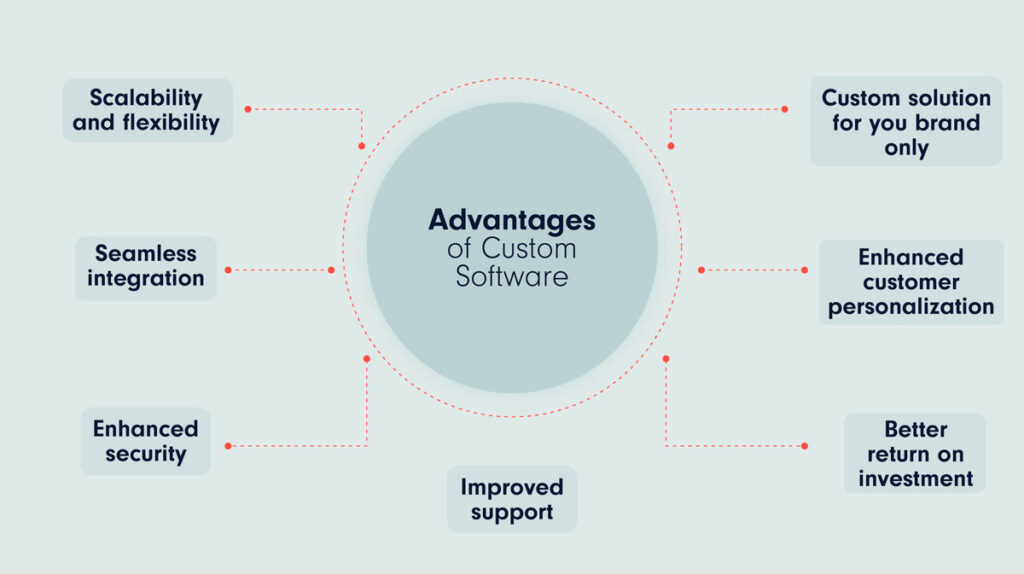
Custom software, by contrast, adapts to existing workflows. That flexibility is powerful, but also dangerous. If processes are unclear, inconsistent, or dependent on individuals, custom software will simply encode those problems into code and make them harder to fix later.
In that sense, custom software does not improve processes; it amplifies whatever is already there.
The Reality of the AEC Software Landscape
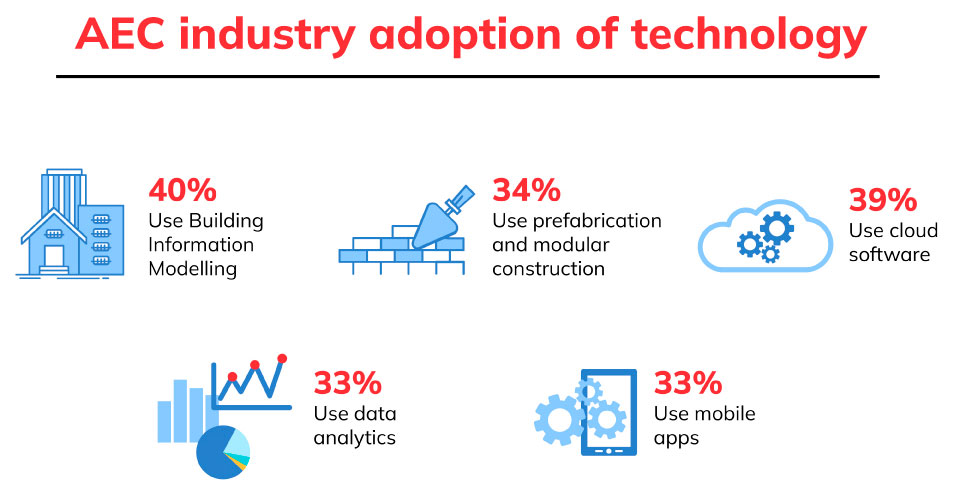
This challenge is compounded by the reality that AEC has far fewer mature software solutions than many other industries.
Compared to finance, logistics, or e-commerce, the AEC software landscape is fragmented, highly specialized, and often shallow in integrations.
Standards like IFC, RVT, and proprietary APIs add complexity, and many tools solve only part of the workflow.
As a result, most AEC firms end up stacking software, maintaining parallel spreadsheets, or building internal glue code just to make systems talk to each other.
Custom development often emerges not out of ambition, but out of necessity.
Why the Partner Matters More Than the Code
When a firm does decide to go custom, the most important decision is not technical but strategic: choosing the right partner.
Writing code is the easy part. The real value lies in understanding whether something should be built at all, how small it can start, how it will evolve, and how it will be maintained over time.
A good partner challenges assumptions, helps define boundaries, and designs solutions that grow with the organization rather than locking it into brittle systems.
That is why going for price or large organizations might not be the best answer in our industry, where niche and well curated anlysis is really important and that is why for us every project is important and unique.

Why the Partner Matters More Than the Code
In the end, the smartest AEC firms are not the ones that build everything or buy everything. They are the ones that understand leverage.
They know when a quick Dynamo script is enough, when a commercial tool brings discipline and speed, and when a custom solution is worth the investment.
The goal is not software for its own sake, but sustained value across projects, teams, and years of operation.
If you’re interested in taking a custom approach and building your company’s operations with a controlled cost structure and maximum efficiency, schedule a time to share your upcoming challenges and explore how we can support you at e-verse.

Valentin Noves
I'm a versatile leader with broad exposure to projects and procedures and an in-depth understanding of technology services/product development. I have a tremendous passion for working in teams driven to provide remarkable software development services that disrupt the status quo. I am a creative problem solver who is equally comfortable rolling up my sleeves or leading teams with a make-it-happen attitude.