Acelab
Case Study: Seamless BIM Integration — Acelab Revit Add-in
01
The
Challenge
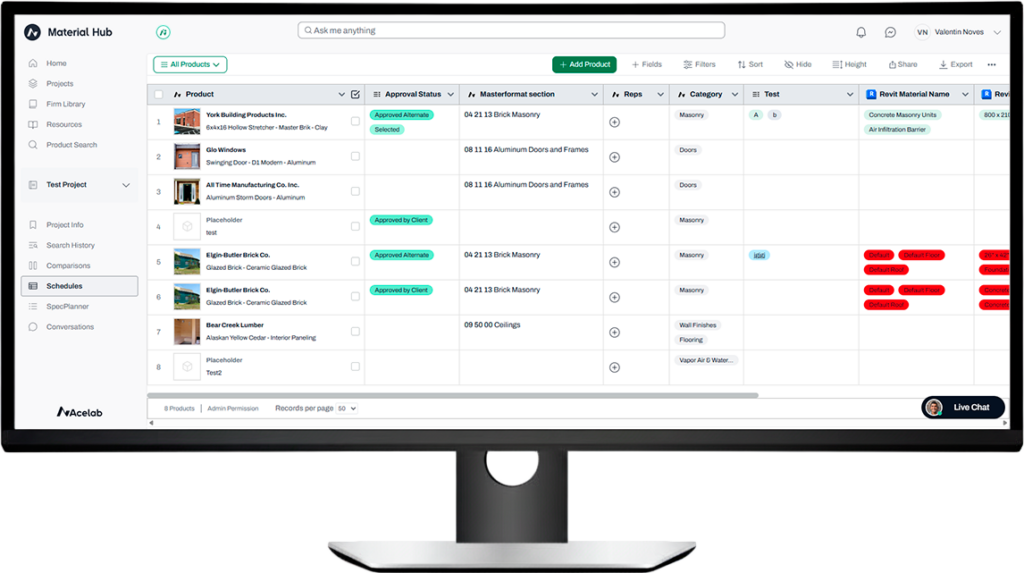
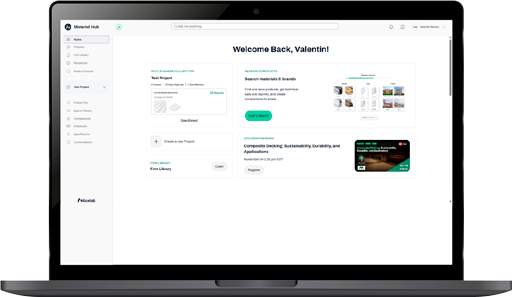
Acelab already offered Material Hub, a powerful cloud-based platform for material discovery, selection, and collaboration, trusted by thousands of architecture and design firms.
However, their users didn’t have a way to connect Acelab’s platform with their daily BIM workflows inside Revit.
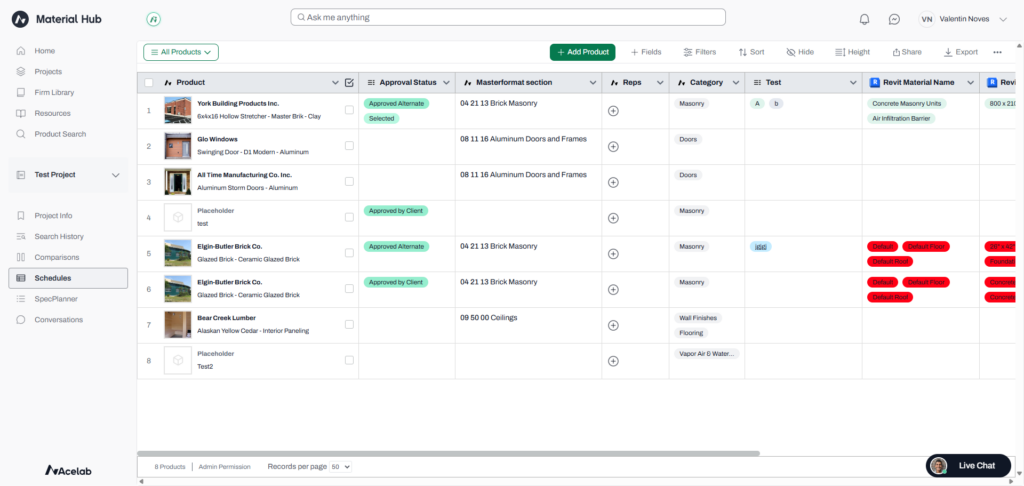
This disconnect forced architects and designers to switch between Acelab’s browser-based platform and Revit models, manually transferring product and material data or working from outdated spreadsheets.
As a result, workflows were inefficient, error-prone, and slowed down decision-making.
The lack of integration also limited Material Hub’s ability to become part of architects’ day-to-day design processes, reducing adoption and diminishing the platform’s potential impact.

Problem statement & pain points:
- Users had to manually transfer material and product data from Material Hub into Revit.
- Disconnected workflows caused duplicated work, inconsistencies, and outdated data.
- Limited visibility of material information directly within BIM environments.

Root causes:
- No Revit-native bridge between Acelab’s API and Revit’s modelling ecosystem.
- Absence of a direct workflow for linking materials, families, and specifications.

Business impact:
- Slower design processes and higher coordination costs for Revit-based firms.
- Reduced engagement and data usage within Acelab’s platform.
Desired outcome:
To develop a robust, intuitive Revit Add-in that embeds Acelab’s platform directly into Revit, allowing architects to access, apply, and synchronize product data in real time — seamlessly integrating design and specification workflows.
02
The
Result
The Revit Add-in became a key piece in Acelab’s mission to streamline how architects work with building products and materials.
It strengthened Material Hub position inside the architect’s most critical tool, Revit, and made it easier for users to bring verified product data directly into their models.
Impact highlights:

50+ design firms onboarded within the first 3 months of launch.

Increased data intelligence in BIM assets, thereby increasing the value of BIM files

Increased engagement and adoption of Acelab’s product library among Revit-based teams.
03
Our Role / Process
e-verse partnered with Acelab from the very beginning, serving as a strategic and technical partner through every stage of the project, from user experience design and feature prioritization to development, deployment, and maintenance.
Our team:
- Collaborated with the Acelab team in designing the UX flows and user journeys to ensure a smooth Revit-native experience.
- Developed the Revit Add-in from scratch, building the foundation for long-term scalability.
- Created automated deployment and update systems to simplify distribution for users.
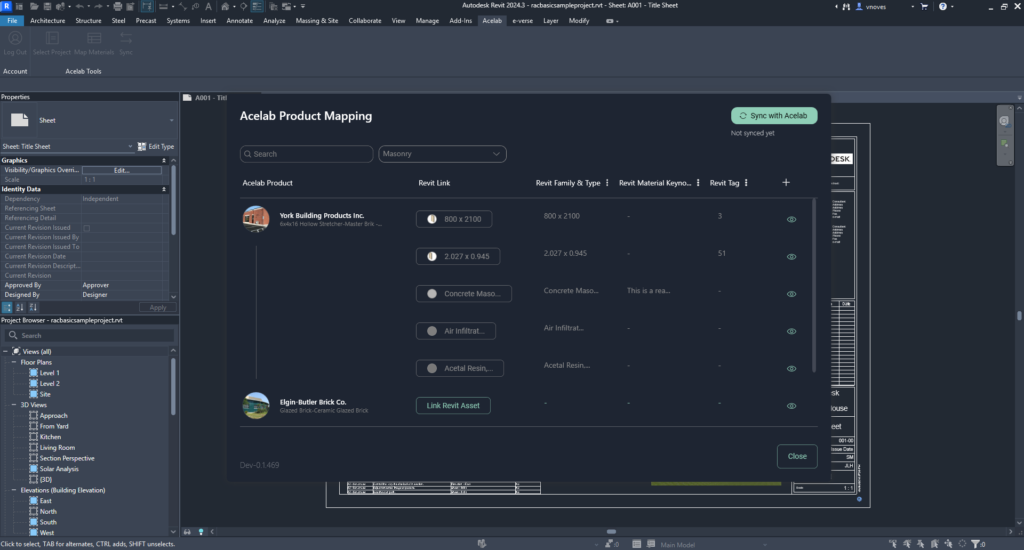
- Integrated Acelab’s API with Revit’s data structures, linking product and material data to Revit families and assets.
- Ensured compatibility with Revit’s workshared and cloud-based models to support collaboration across teams.
The project required deep domain knowledge: understanding how Revit structures, parameters, and workflows function in real design environments, combined with technical precision to align Acelab’s product model with Revit’s architecture.
This is where e-verse excels: bridging the gap between technology and the AEC industry’s practical needs.
04
The Solution / Product
The final result was Material Hub, the Acelab Revit Add-in platform. Native, and with seamless integration that connects Acelab’s cloud platform directly with Revit.
With the add-in, architects can:
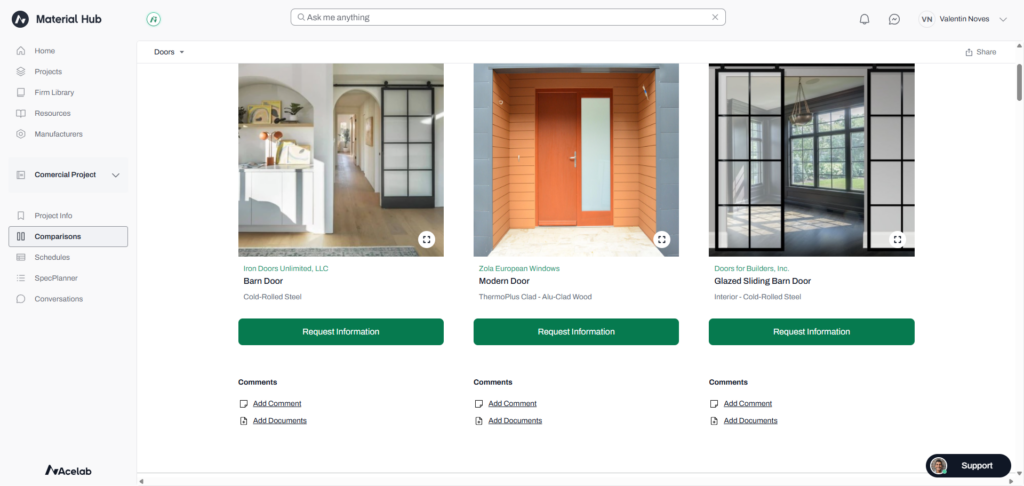
- Search and select products and materials from Acelab without leaving Revit.
- Link Acelab’s product data directly to Revit elements like families and materials.
- Automatically sync specifications and metadata between Acelab and their BIM models.
- Work collaboratively on cloud and workshared models with full access to Acelab’s content.
This solution brought Acelab’s product intelligence to the heart of the design process, enabling faster decisions, consistent data, and better collaboration between architects and manufacturers.


05
Who’s
the client?

Acelab is a technology company that connects architects, designers, and building product manufacturers through a unified digital platform.
Their solution simplifies material research and specification by bringing all product data, performance attributes, and manufacturer information into one place, helping design teams make faster, data-driven decisions while improving collaboration with suppliers and manufacturers.
06
A few words from our partner
This partnership allowed each team to operate at its best, resulting in a truly one-of-a-kind feature that not only deepened user engagement but also generated genuine excitement across our user community.”